The Historical Impact And Significance Of Churches In Today's Globe


Content Produce By-Cameron Sahl
You may think of churches as simply puts for prayer, however their role has actually evolved significantly with time. They have actually changed right into neighborhood centers, attending to various social concerns and fostering links amongst participants. As culture adjustments, churches face one-of-a-kind difficulties and have to adapt to stay appropriate. What's driving this change, and just how do modern churches impact today's neighborhoods? Exploring these inquiries discloses much concerning their enduring value.
The Evolution of Churches With History
As culture has proceeded, the role and framework of churches have changed significantly. You may see that early churches largely worked as places of worship and area event, rooted deeply in custom.
In time, these establishments adapted to the altering demands of their parishes, frequently mirroring societal changes. For example, the Reformation stimulated a surge in diverse religions, each welcoming unique ideas and practices.
Today, several churches focus not just on spirituality but likewise on social problems, involving with modern obstacles like hardship and inequality. This evolution shows exactly how churches continue to matter, attending to modern issues while preserving their core objective.
Recognizing this trip assists you appreciate the long-term impact of churches in our lives.
The Function of Churches in Area Structure
Churches play an important duty in developing solid communities by promoting links amongst individuals and households. They supply a welcoming area for people to collect, share experiences, and support each other.
By organizing occasions like potlucks, workshops, and volunteer possibilities, churches urge participation and partnership amongst members. You'll find that these celebrations typically lead to lasting relationships and networks of support.
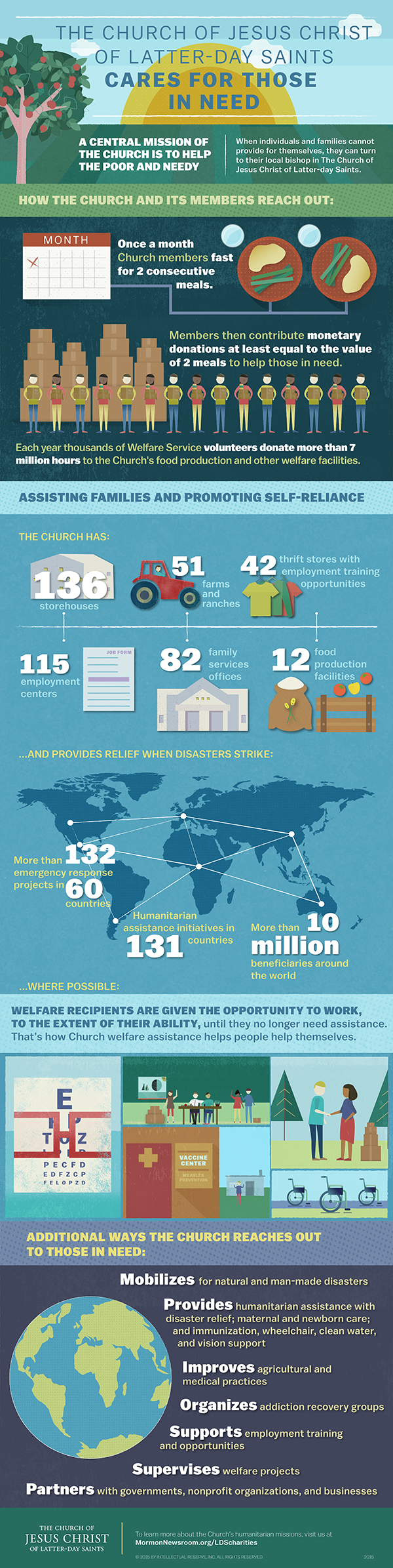
Additionally, https://www.sltrib.com/religion/2021/04/01/latest-mormon-land-how/ act as a center for outreach, helping those in need via food drives, counseling, and numerous social work. They produce a sense of belonging, reminding you that you belong to something bigger.
When you engage with your neighborhood church, you're not simply participating in solutions; you're proactively contributing to a vivid, interconnected neighborhood that prospers on mutual assistance and empathy.
Obstacles and Adaptations in Contemporary Society
While area structure continues to be a foundation of church life, contemporary culture presents one-of-a-kind difficulties that require adjustment. https://blogfreely.net/fredric16tobias/the-value-of-churches-in-producing-more-powerful-neighborhoods 've likely observed decreasing attendance and changing demographics, making it necessary for churches to reassess their techniques.
Engaging younger generations via technology and social media sites can help bridge the gap. Think about holding on the internet solutions or area events that reverberate with diverse interests.
In addition, attending to social concerns like mental health and wellness and social justice can pull in those looking for support and objective. You can develop comprehensive environments that welcome everybody, cultivating a feeling of belonging.
Verdict
Finally, churches have transformed from straightforward places of worship right into important community centers that attend to today's social concerns. As you review their evolution, it's clear they play an important function in promoting connections and offering support. Despite difficulties, modern churches adjust by embracing innovation and inclusivity, ensuring they stay appropriate. Their recurring visibility not only supports a feeling of belonging yet likewise shapes social values, making them an important part of modern life.